

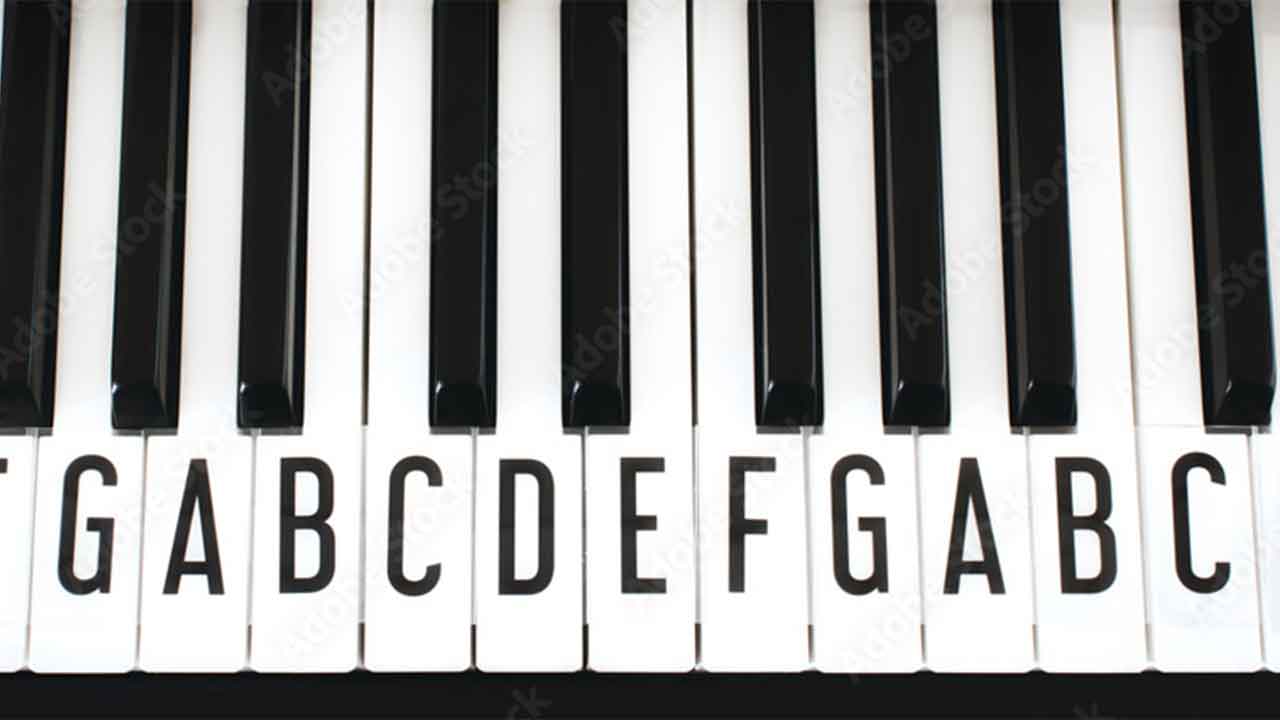
Beginner piano lessons typically start with the basics of music theory and learning how to read sheet music. Students will also learn proper hand and finger placement, as well as basic piano techniques like playing scales and arpeggios.
As your lessons progress, you learn to love playing scales, right? Well no, in fact a lot of students think learning scales and arpeggios is a boring and tedious task set for them by their teacher. So, why do I put so much importance on this and am constantly reminding you to practice your scales?
Learning scales and arpeggios is essential for piano players because it helps them develop their technique and musical understanding. Here are a few ways that learning scales and arpeggios can help you play the piano:
- Finger strength and dexterity: Playing scales and arpeggios requires your fingers to move quickly and precisely across the keys. As you practice these patterns, you’ll be training your fingers to move with more speed and control, which can help you play more complex pieces with greater ease.
- Hand and finger placement: Each scale and arpeggio has a specific fingering pattern that you’ll need to follow in order to play it accurately. By practicing these patterns, you’ll develop muscle memory for the correct hand and finger placement on the keys. This will help you avoid mistakes and play more efficiently, which is especially important when playing at faster tempos.
- Music theory: Scales and arpeggios are fundamental building blocks of music theory, as they provide the basic patterns of notes that make up melodies and harmonies. By learning these patterns, you’ll develop a deeper understanding of how music is constructed and how different chords and scales relate to one another.
- Improvisation and composition: Scales and arpeggios are often used as the basis for improvisation and composition in various musical genres, such as jazz and pop. By practicing these patterns, you’ll develop the ability to improvise and create your own music using the building blocks of scales and chords.
In summary, learning scales and arpeggios is an important part of piano education because it helps you develop finger strength and dexterity, hand and finger placement, music theory knowledge, and improvisation and composition skills.
If you would like to take your very first piano lesson or add to your existing piano education, please book a lesson with me today, you can book online.





Leave A Comment