

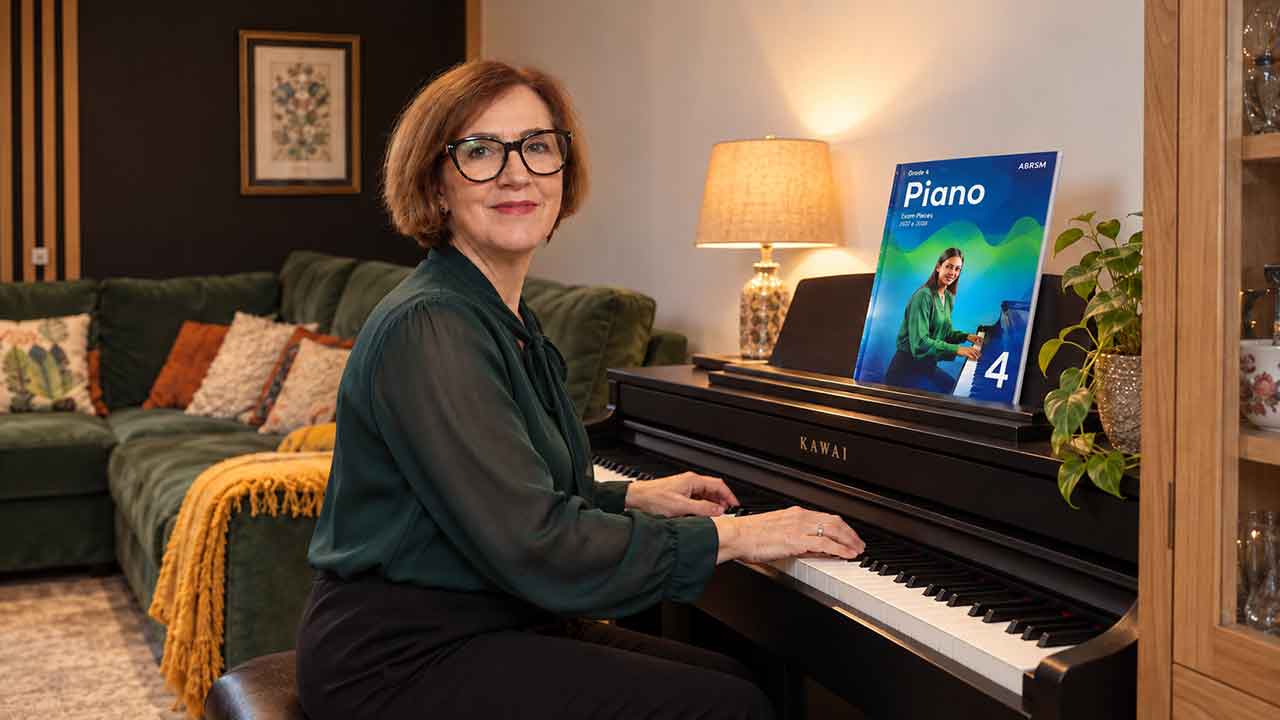
Grade 4 is a useful stage for developing a more deliberate approach to interpretation. Students can begin to explain why they choose a particular sound, how they shape a phrase and what makes one piece different from another. The ABRSM Piano Grade 4 book for 2027–2028 offers a varied starting point, with dance movements, studies, contemporary writing and an arrangement of a spiritual.
This guide looks at the nine selections in the official ABRSM Grade 4 book. They are a starting point for exploring the repertoire, not the complete syllabus list. Use your score alongside the suggestions below, and choose your programme with your teacher.
Choosing music that suits the player
I would choose a programme that gives the student room to show both clarity and imagination. A lively piece should have more than energy; a gentle one needs more than a soft dynamic. Listen for the ability to sustain an idea across a whole phrase. Before committing to a piece, check whether its physical demands feel comfortable at a sensible working tempo.
The nine pieces in the Grade 4 book
Minuet from Sonata in A, Kp. 83 — Domenico Scarlatti
Look for a clear dance pulse and a purposeful shape to each phrase. Try practising without pedal while listening closely to articulation. This can reveal whether the fingers and releases are doing the musical work before any additional resonance is considered.
Scherzo from Musikalische Nebenstunden — J. C. F. Bach
Begin with the character suggested by the score rather than speed alone. Practise the changes of gesture and keep their timing clear. A useful question is whether a listener could recognise the contrasts even in a slower practice performance.
Hide and Seek, Op. 66 No. 6 — Schytte
An étude can become much more engaging when its technical pattern has a musical purpose. Find the recurring task, practise it in small units and then shape those units into phrases. Avoid allowing the exercise aspect to flatten the expression.
The Lonesome Trail — Francis Faux
Decide how the opening establishes the mood and how that mood develops. Try describing the direction of a phrase in a few words before playing it. Then listen for whether your balance and dynamics make that intention clear.
Where the Blackcap Sings — Heather Hammond
A singing title invites close attention to the melodic line. Practise the tune with a comfortable, unforced sound and add the other material carefully. Record a phrase to check that the listener can still follow the melody without seeing your hands.
Last Dark Before Dawn — Alonso Malik Pirio
The title suggests a possible narrative, but let the notation guide the detail. Identify the moments that feel like arrivals or changes of direction. Planning those points helps prevent a performance from becoming a sequence of unrelated expressive gestures.
The Midnight Ball — Naoko Ikeda
Start by finding the pulse that allows the music to move comfortably. Explore the character of each section, then practise how one leads into the next. The transition often needs as much attention as the notes within either section.
Clockwork Doll, Op. 69 No. 6 — Shostakovich
Use the title as a prompt for precision and character. Practise the written articulation at a controlled tempo, listening for consistent releases. Keep the sound responsive: accurate playing need not become rigid or lose the humour suggested by the title.
Wade in the Water — African American spiritual, arranged by Önaç
Begin with the melody and its sense of direction. Listen to the reference performance for this arrangement and notice its rhythmic character. Aim for a secure pulse and a clear musical line without adding stylistic effects that the score does not support.
A practical approach to preparation
Make a simple map of each piece: opening, contrasting ideas, return and ending, where those features apply. Practise starting at each main point rather than always going back to the beginning. Once the notes are secure, record a complete performance and listen without looking at the score. Ask whether the character stays clear throughout and whether the quieter passages still hold the attention.
Before finalising your programme
Check the current ABRSM piano syllabus and guidance for your exam route, including selection and performance instructions. My introduction to the 2027–2028 syllabus explains the wider changes and the transition from the previous syllabus.
Finding the right next step
At Grade 4, thoughtful listening can transform the result. The aim is to make the musical intention clear enough that an audience can follow it without an explanation.
If you would like help choosing a programme or preparing your pieces, get in touch about piano lessons. We can look at your current playing and decide on a sensible way forward.


Leave A Comment