

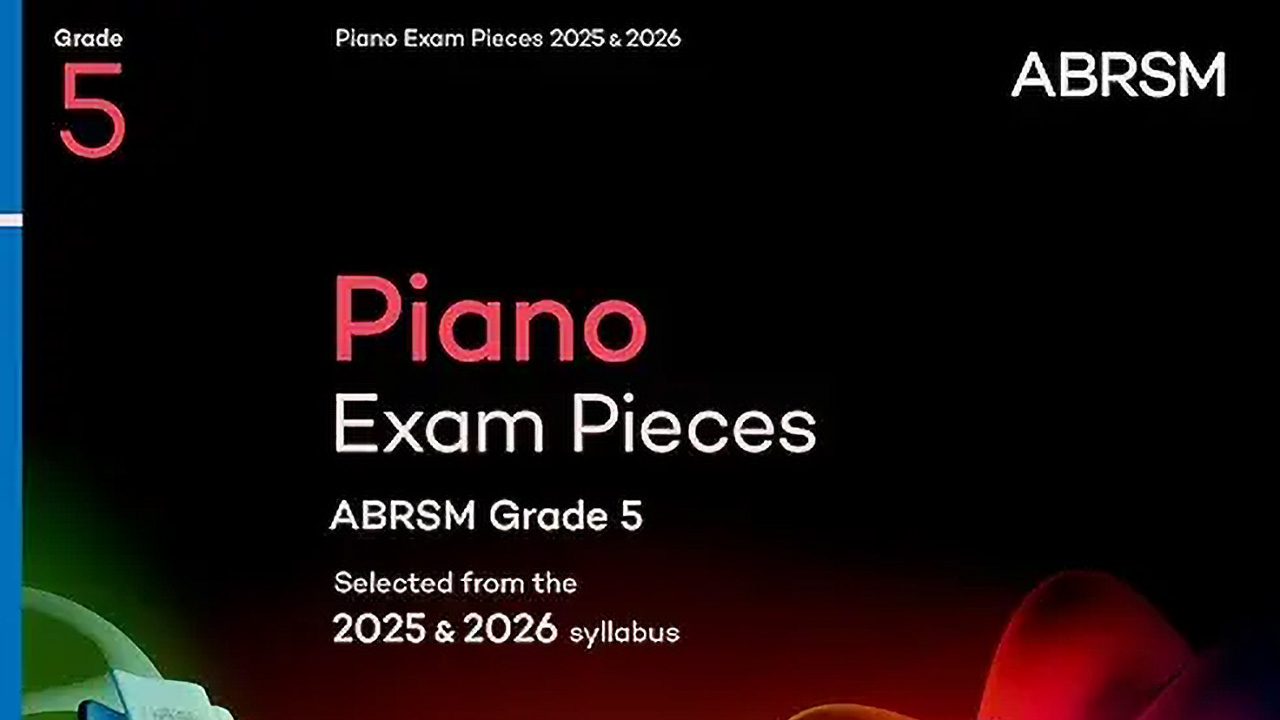
I have updated the ABRSM Exam Books page to reflect the new syllabus. You can use the new pieces in exams from 1 January 2025. There’s also a one-year overlap period ending on 31 December 2025. During this period you can choose your pieces from the 2023 & 2024 syllabus.
Exploring the ABRSM Piano 2025-2026 Syllabus: What’s New and Exciting?
The Associated Board of the Royal Schools of Music (ABRSM) has once again brought fresh inspiration to piano students and teachers with its 2025–2026 piano syllabus. This eagerly awaited update introduces a vibrant repertoire, providing players with an exciting mix of styles and challenges. Whether you’re a beginner setting out on your musical journey or an advanced pianist refining your craft, the new syllabus has something to captivate every learner.
A Balanced Repertoire: Tradition Meets Innovation
ABRSM continues to offer its hallmark variety, with pieces spanning Baroque, Classical, Romantic, and contemporary styles. The 2025–2026 syllabus introduces new works from both established and lesser-known composers, ensuring that pianists explore the classics while also engaging with music that reflects today’s global diversity.
For instance, a quick glance at Grade 5 reveals a Baroque gem by J.S. Bach alongside a lively Romantic miniature by Grieg, paired with an evocative piece by a contemporary composer that will challenge rhythmic precision and creativity. The inclusion of living composers brings the syllabus to life, offering a unique opportunity for pianists to connect with music that reflects their modern world.
Technical Work and Supporting Skills
While repertoire often takes the spotlight, ABRSM’s holistic approach ensures that technical development remains a priority. The 2025–2026 syllabus reinforces the importance of scales, arpeggios, and exercises, tailored to the demands of each grade. These elements continue to support finger strength, dexterity, and tonal control – essential tools for every pianist.
Aural tests, sight-reading, and performance-focused skills are also emphasised, maintaining ABRSM’s commitment to developing well-rounded musicians. Teachers will find fresh opportunities to weave these supporting skills into lessons, ensuring students are confident performers and adept sight-readers.
Highlights from the Grades
Initial Grade to Grade 3
For younger beginners, the new syllabus is packed with imaginative pieces that encourage storytelling through music. Expect lively dances, lyrical melodies, and playful challenges that build confidence and technique while sparking creativity.
Grades 4 to 6
This intermediate level introduces pianists to increasingly sophisticated works. The diversity of genres allows students to experiment with articulation, phrasing, and tonal contrast. A standout in this range might include a lyrical Romantic nocturne or a jazzy toe-tapper.
Grades 7 and 8
Advanced pianists will be thrilled with the syllabus’s engaging choices, which balance technical rigour with expressive depth. Repertoire at these grades offers substantial works that demand advanced interpretative skills, making them ideal for recital preparation and auditions.
Why the 2025–2026 Syllabus Excels
ABRSM’s latest offering is more than just a list of exam pieces – it’s an opportunity for musical discovery. With its emphasis on inclusivity, creativity, and technical growth, this syllabus supports teachers in inspiring students and allows pianists to explore a rich tapestry of musical styles.
Final Thoughts
If you are a student preparing for exams, the ABRSM Piano 2025–2026 syllabus provides a roadmap for musical growth and enjoyment. Dive into the new repertoire, challenge yourself with technical exercises, and embrace the joy of making music.

Leave A Comment